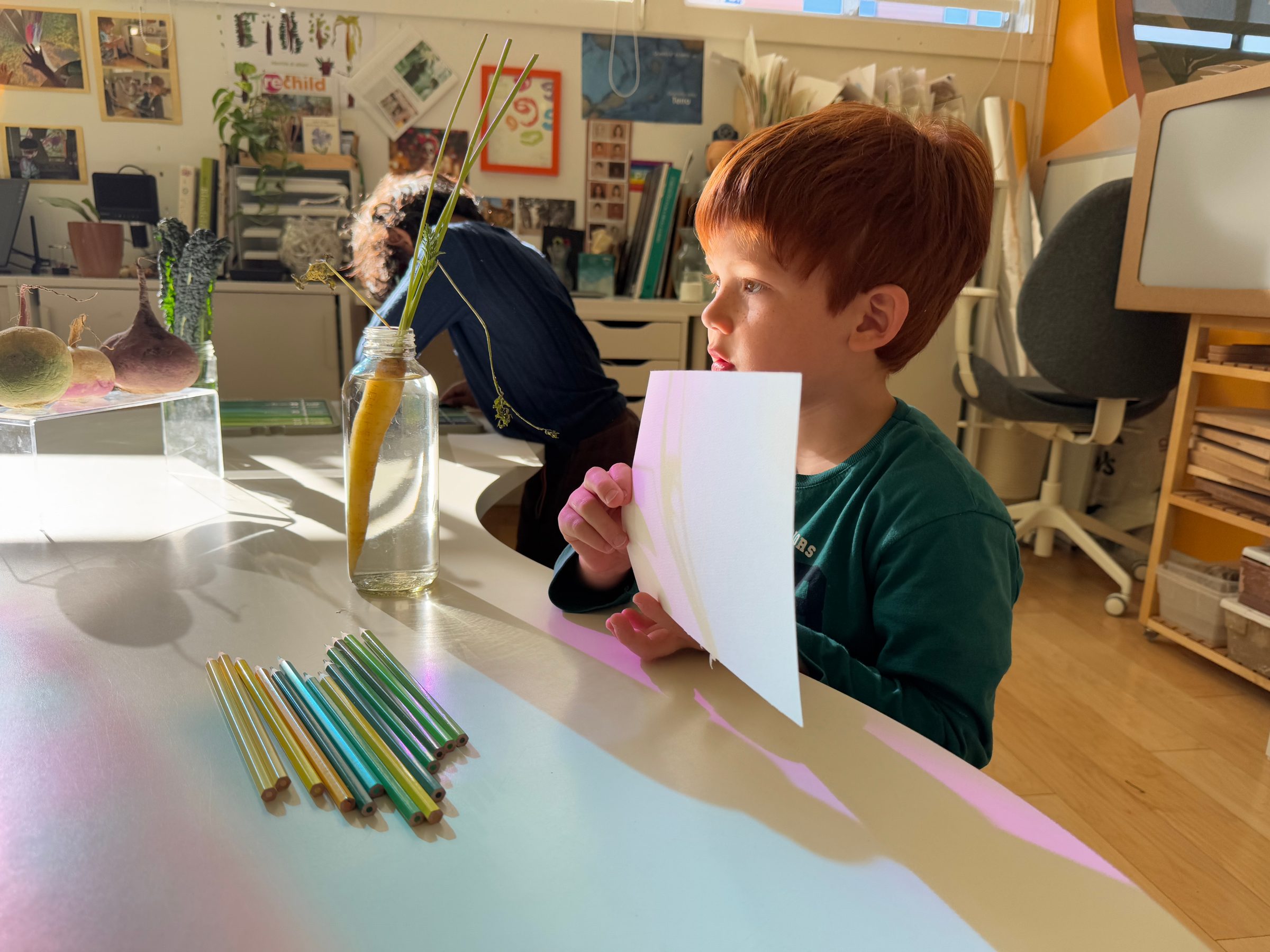
El enfoque de Reggio Emilia
The Reggio Emilia Approach prepares students to thrive in a collaborative world. Its unparalleled focus on the learning environment and relationships results in exploration and experimentation; debate and discussion; inquiry and innovation.
Niente senza Gioia. Nothing without Joy. Nada Sin Alegría.
La Scuola is one of very few schools in the world to extend the Reggio Emilia Approach from early childhood all the way through middle school. We do this to inspire creativity, independent thinking, and problem solving — and because students of all ages deserve to experience the beauty of learning.
Overseeing Reggio Emilia Approach classrooms requires dynamic thinking and constant adjustments as teachers shape the curriculum around student-initiated activity. Integrating the Reggio Emilia Approach with the International Baccalaureate and language immersion requires instructors with specialized training and exceptional ability.
Unlike with the International Baccalaureate, there is no formal accreditation for schools that celebrate the Reggio Emilia Approach. As acknowledged experts in this educational philosophy, however, and in agreement with Reggio Children, La Scuola International School operates the California International Reggio Center (CIRC). This dedicated hub shares knowledge and professional development in the Reggio Emilia Approach with administrators, educators, and others from around the world.
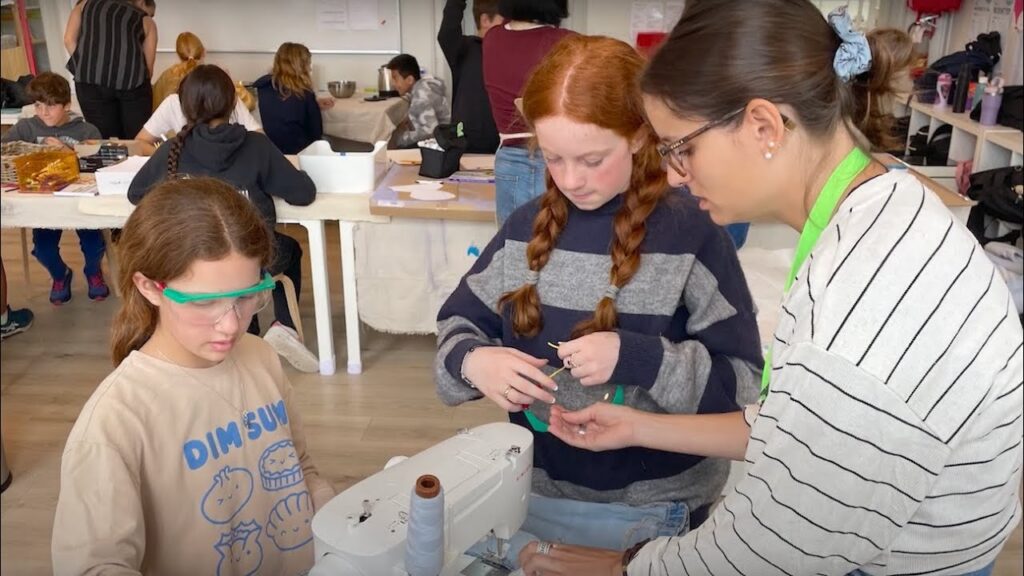
The Reggio Emilia Approach & Environment
Intentionally designed, beautiful spaces spark curiosity, creativity, and joy.
When students and teachers feel inspired by their surroundings — architecture, art, color, light — they engage more deeply. This leads to improved retention and a longer-lasting love of learning.
At La Scuola International School, classrooms and buildings celebrate beauty, creating space for exuberant growth. We create flow between classrooms, the school environment, and the world around us to prompt students to reflect on their role in the wider community.
All of our campuses are deliberately designed to engage students through the educational environment.
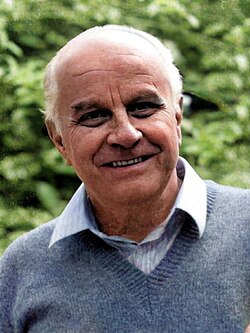
"To make a lovable school, industrious, inventive, livable, documentable, and communicable, a place of research, learning, re-cognition and reflection, where children, teachers and families feel well – is our point of arrival."
—
Loris Malaguzzi
Founder of the Reggio Emilia Approach®
The Tenets of the Reggio Emilia Approach
We hold a high image of the student: Students are capable of excellence and complexity. With support, they are able to contend with material generally reserved for much older students.
We believe listening is an essential part of teaching and learning: Giving space to the student voice is key. When students learn to develop and answer their own questions, they engage fully with lasting learning.
We know students learn in 100 languages: The idea that students learn in a variety of ways — through writing, speaking, drawing, dance, taking action, etc. — is a bedrock component of the Reggio Emilia Approach. We work with each student to help them retain and expand the ways in which they’re ready to keep learning.
The History and Future of the Reggio Emilia Approach
The Reggio Emilia Approach evolved from the methods practiced in schools in Reggio Emilia, Italy. Following World War II, teacher and educational psychologist Loris Malaguzzi further developed this philosophy, which grew to serve as the foundation for progressive education.
Today, educational organizations in over 130 countries partake in dialogue and exchange with the Reggio Children International Network. La Scuola works closely with Reggio Children to uphold the tenets of the approach.

El instituto de formación profesional más destacado de la Costa Oeste en el enfoque Reggio Emilia.